Six Flags Made Improvements
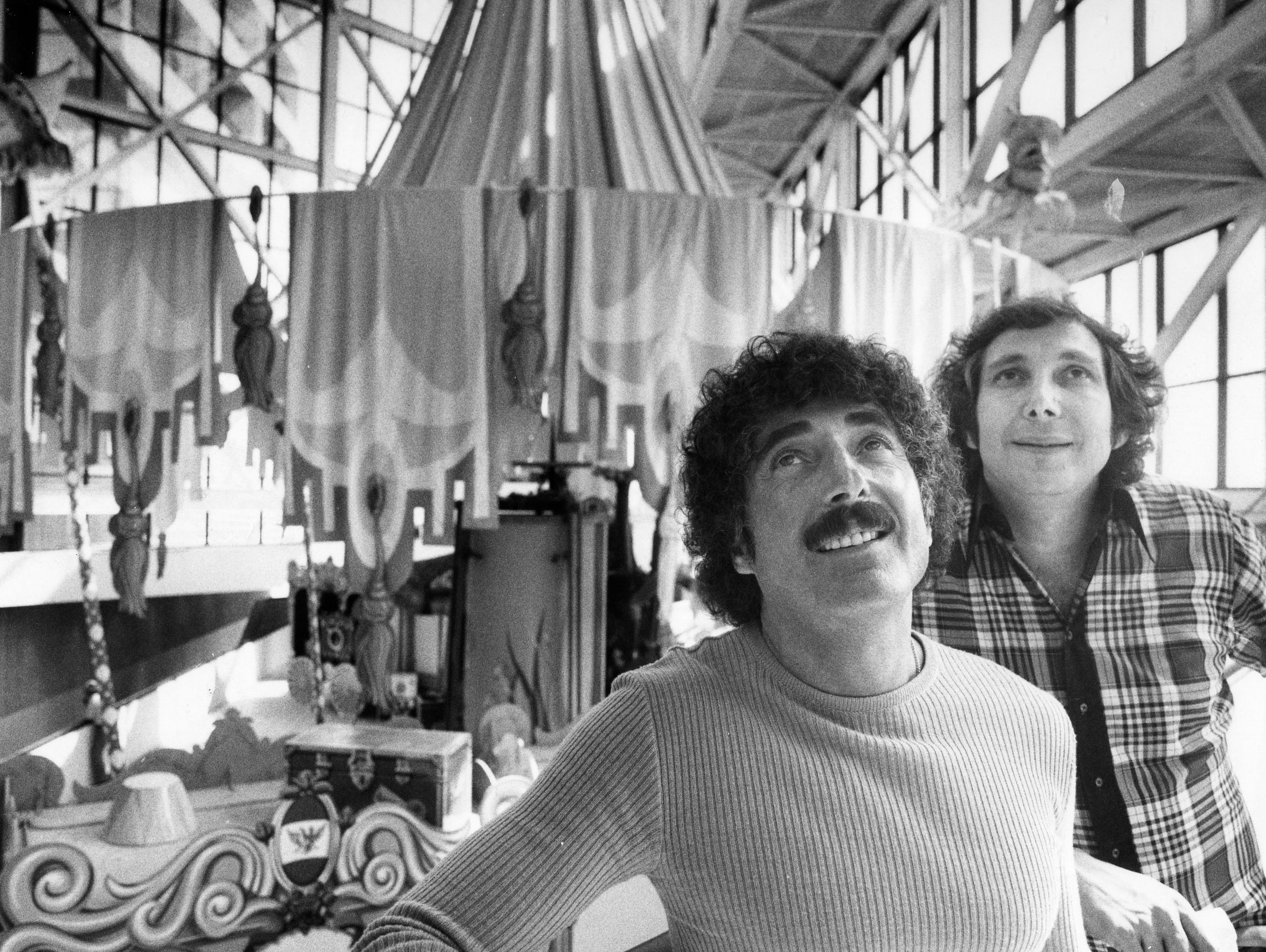
Six Flags Over Georgia, now more than a decade into operation, had made major additions around the park. As the company’s executive vice president, Errol McKoy, put it, “We have to keep changing the face of this park every single year. Six Flags Over Georgia will never be finished.”
Six Flags had to stay to that promise if they wanted to keep up with the competition. In 1971, Walt Disney World opened in Orlando, Florida—only a day’s drive away from most of the Southeast. Before then, the only way to experience a Disney park was to visit Anaheim, California, which was more than 2,000 miles away from Atlanta. The next best thing local to the South was Six Flags. That was no longer the case. The new Disney resort was attracting tourists from the Southeast region, so Six Flags had added pressure to provide new offerings.
In the coming decade, Six Flags Over Georgia added new thrills that blended with the values of family entertainment the park was founded on. Major additions through the 1970s included the world’s tallest coaster at the time as well as a $2.5-million steel coaster that was touted as the first triple-looping coaster—although that record was a stretch.
With new thrilling coasters and expansions, the park had evolved beyond its opening-day form. “We’re going to be doing things differently in the ‘80s,” said Spurgeon Richardson, the park’s general manager at the time.
Leading into the 1980s, Six Flags opened a new expansion land called Jolly Roger’s Island. The 3-acre area cost the park $2.2 million and set the stage for the ambitious improvements that were still to come.
The Sun Set on the Okefenokee
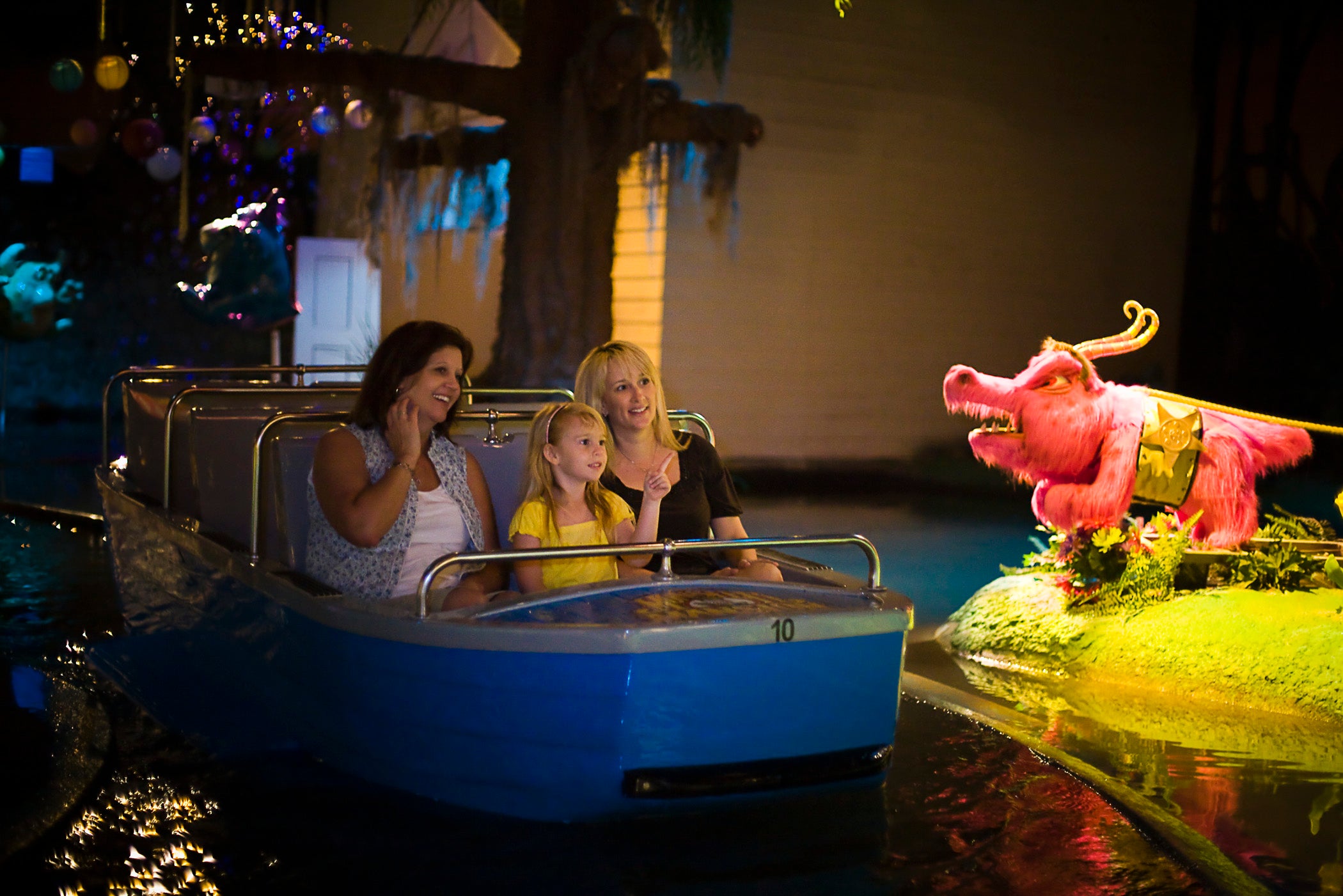
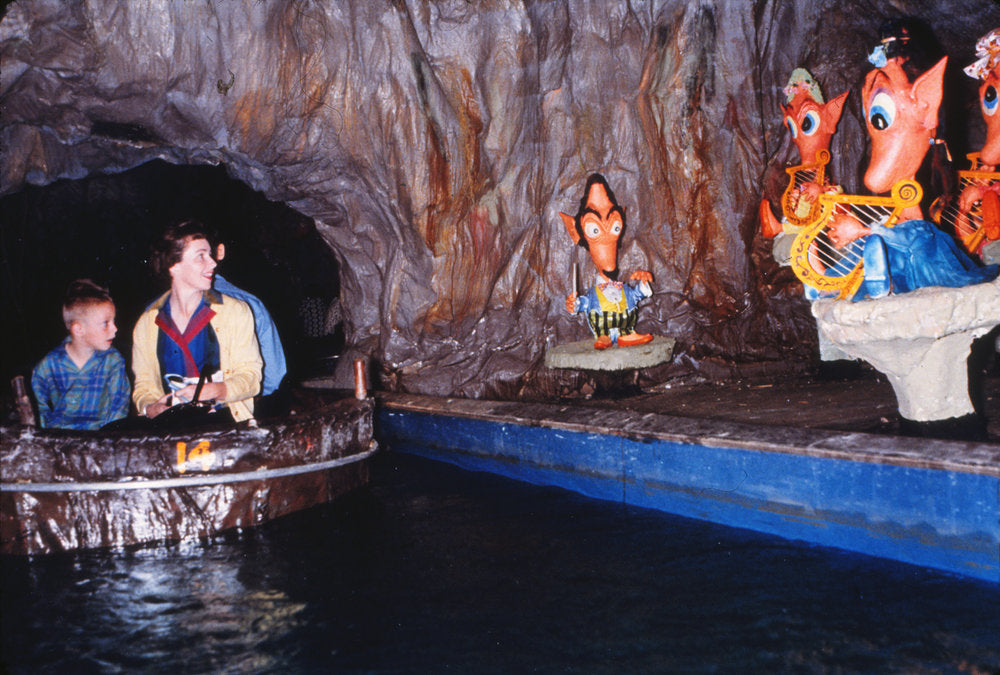
Tales of the Okefenokee at this point—unfortunately—was past its prime, and the park was ready to move on. By the end of the 1980 season, Six Flags decided it was no longer worth investing in the aging attraction and that it was time for a new ride that would draw in monstrous crowds.
As the park shut its gates for the season, the laughing sun that once radiated over the Okefenokee set for the final time. The swamp went dark, becoming only a memory for parkgoers.
This article continues with the history of Monster Plantation/Mansion.
About the Author

You May Also Enjoy…
There’s More to Explore
Check out the video versions of these stories on YouTube.
This article was provided at no cost to you, so any support—even just a follow on social media—helps keep this project running.
Unlock more on the Storybook Amusement Patreon.
Enjoy the ride.
About These Articles
The articles on this website were researched and written by a theme park enthusiast as part of an in-depth YouTube series.
To ensure accuracy, each article is outlined and fact-checked from sources such as newspaper archives, interviews, books, and historical documents. Some sources are not available online but can be referenced upon request.
Content creators who reference information from this website are kindly asked to cite the original source or Storybook Amusement. Thank you.